From Scan to Suit: Building Three New Hero Bears
This project launched with a strong vision. Three new bear costumes, each engineered for realism, natural balance, and on set flexibility in both hero work and light stunt situations.
Below is a step by step look at how a single high resolution body scan became the foundation for three very different animal characters. I will be sharing images from each stage, so you can follow the process from the scan to the digital sculpt to the physical build currently underway with our SFX artist, Dursun.
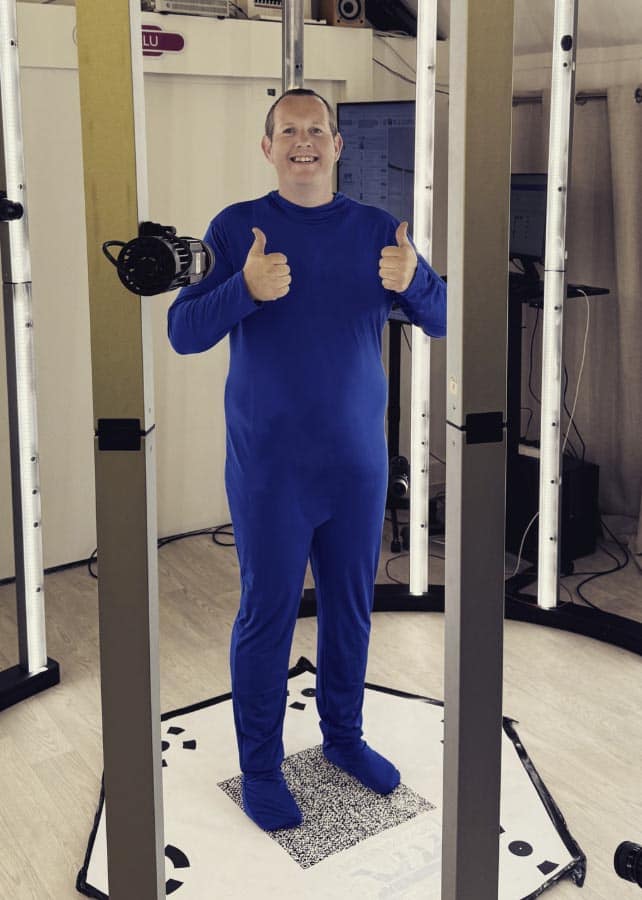
Full body capture
The process began at Modelu Miniatures. I stepped into a body scanner and the capture took about ten seconds. The resulting data was extremely detailed and provided a one to one digital double of my body at a very high polygon count. That raw scan was cleaned and processed into a file format suitable for downstream work. The export format we used was OBJ.
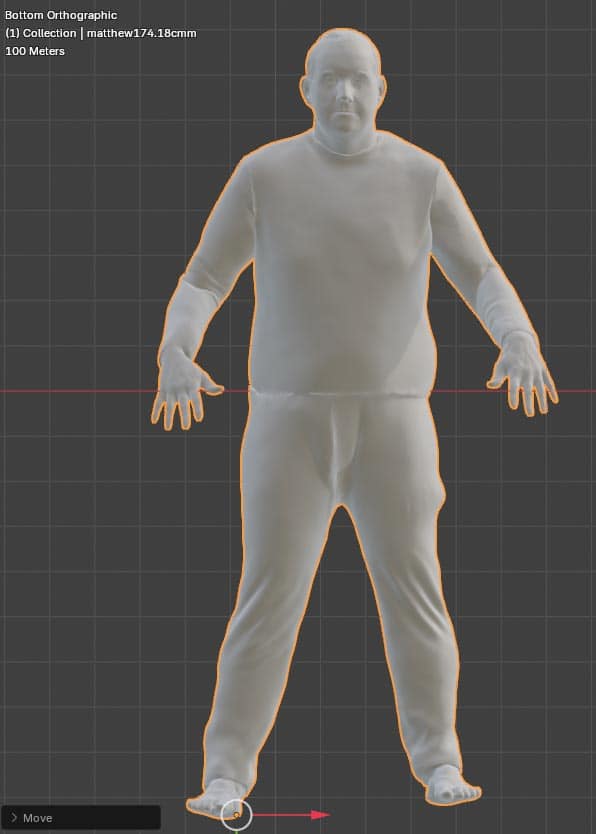
A million polygon model
The cleaned scan became a dense, high resolution mesh of more than a million polygons. That level of detail gives sculptors and fabricators the exact human proportions they need to design internal structures, padding and harnesses that will sit comfortably and predictably around the actor. Having the true scale model removed much of the guesswork in the early design phase.
Sculpting the bears in ZBrush
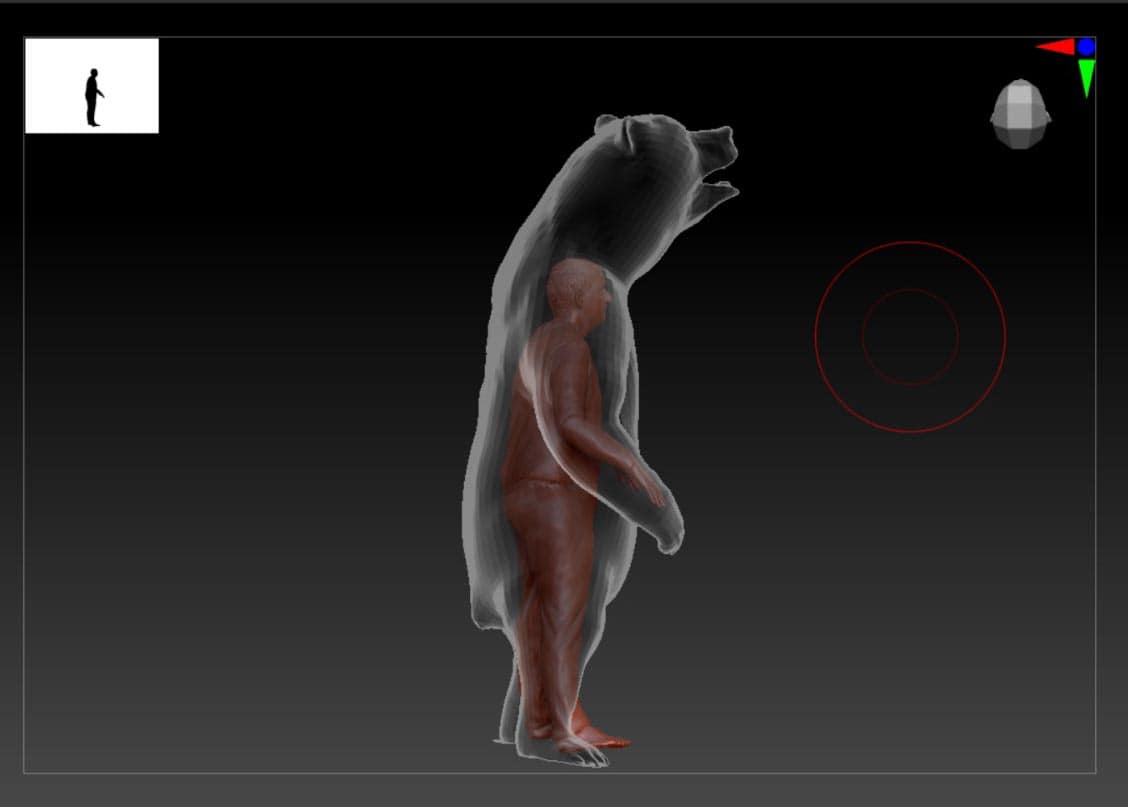
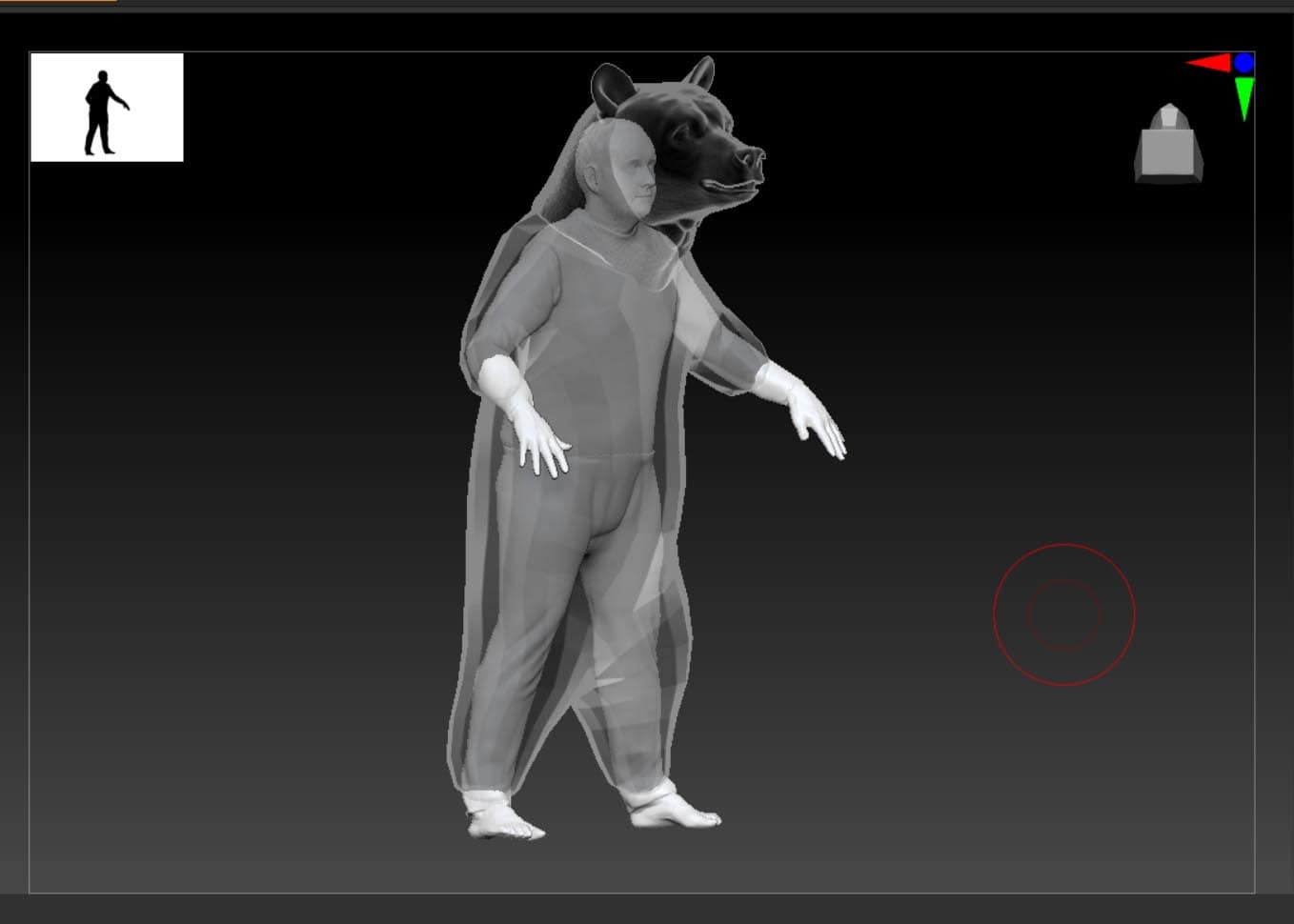
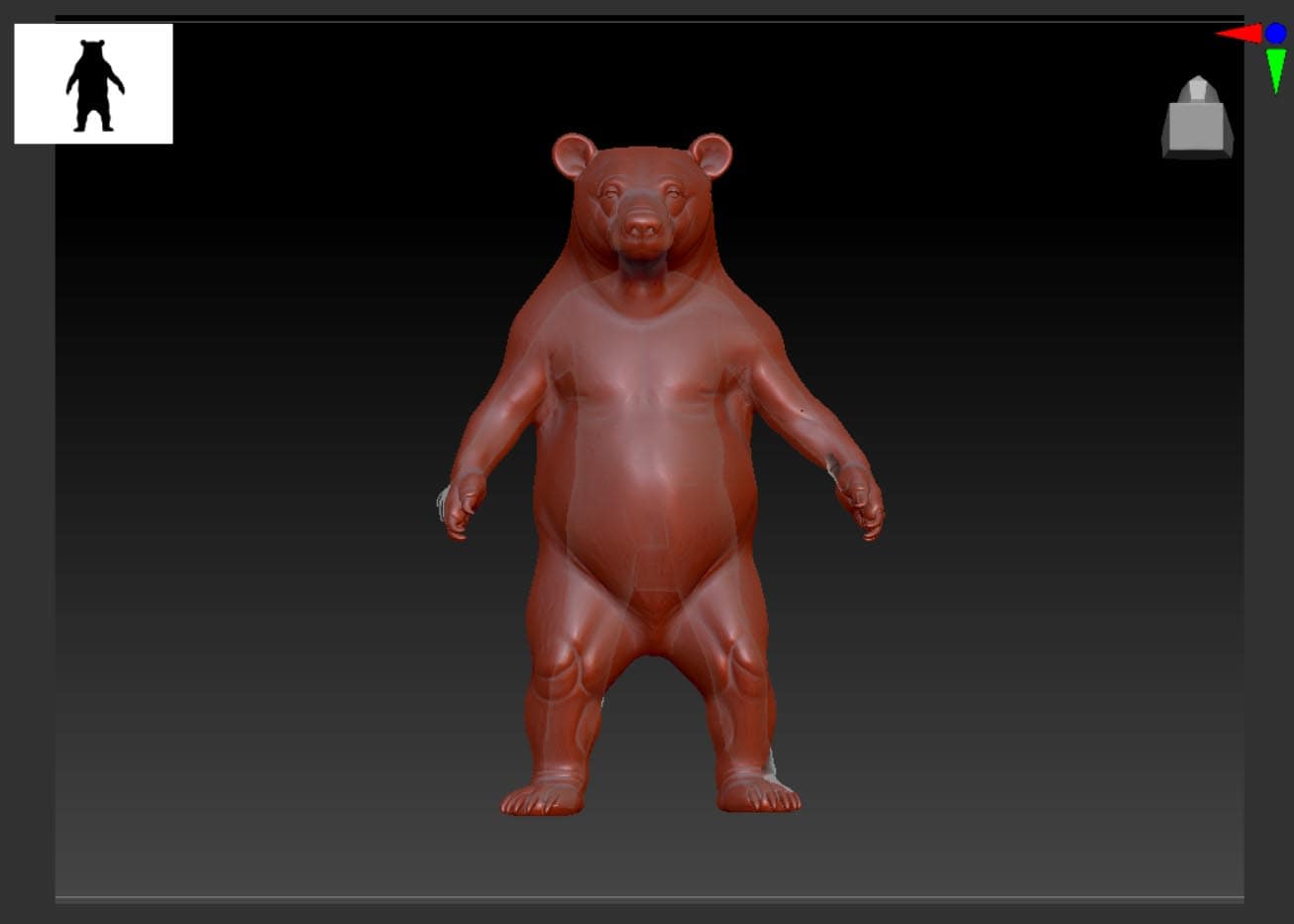
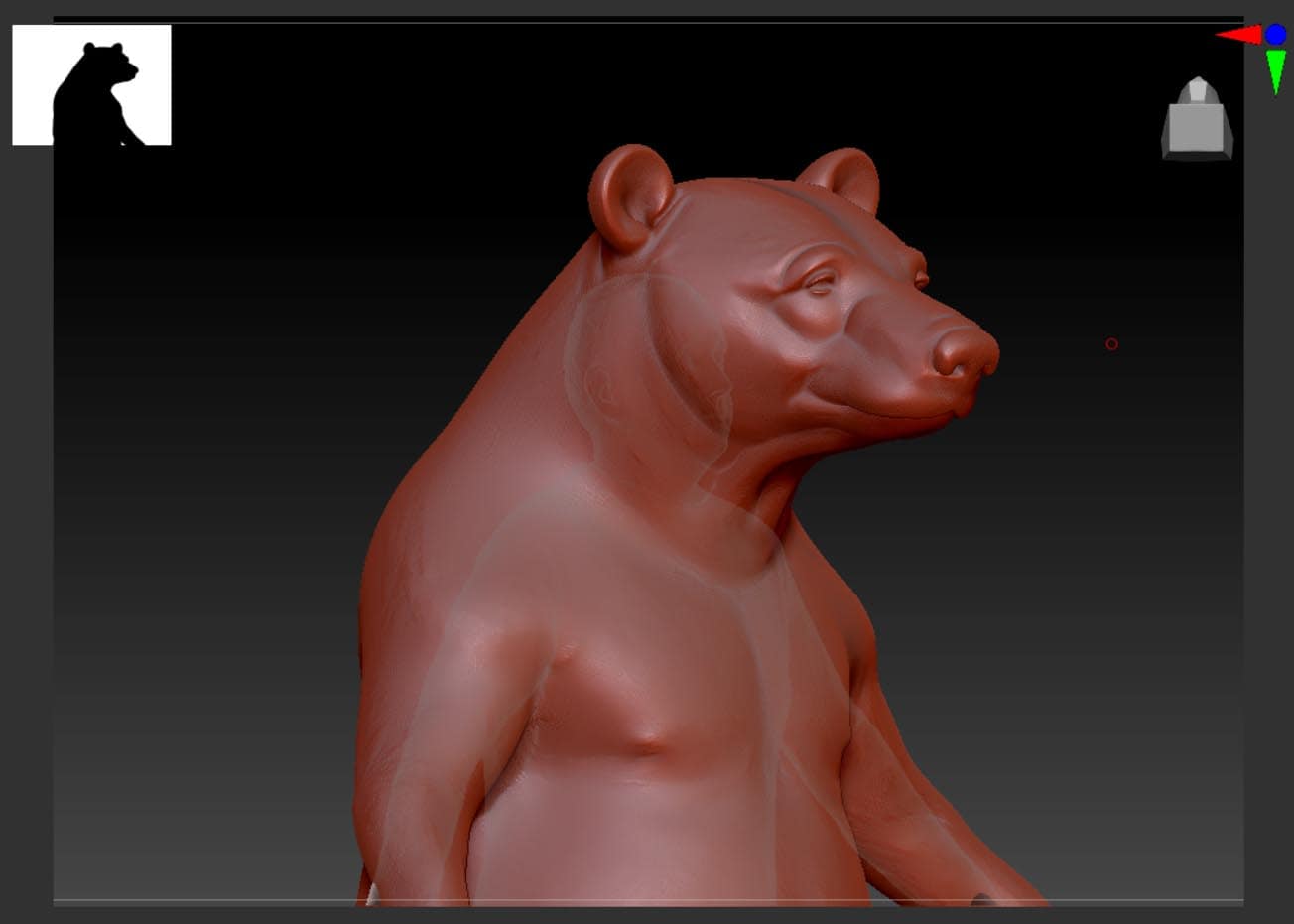
Our SFX artist imported the OBJ into ZBrush and used the scanned human model as the base to sculpt three animal shapes: a Black bear, a Brown bear, and a Grizzly bear. Using the actor model as the internal core ensured each sculpt kept workable internal clearances while achieving authentic external mass and silhouette.
The Grizzly required a heavier upper body with pronounced shoulders. The Brown bear took a longer profile with a different balance point. The Black bear remained compact and nimble. Those anatomical differences influence how each suit will move, where the weight sits, and how the suit reads to camera in close up shots.
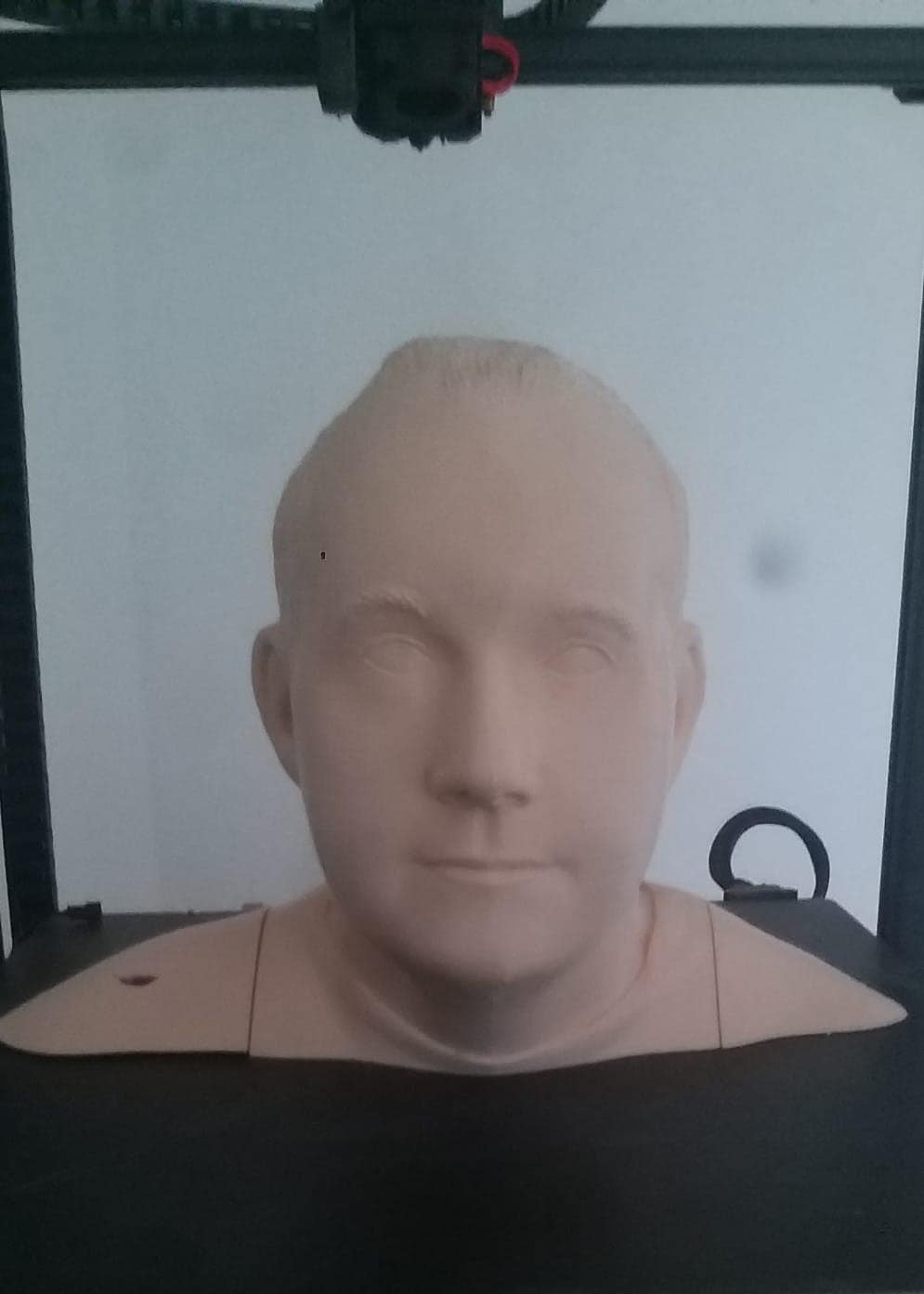
Printing a one to one body form
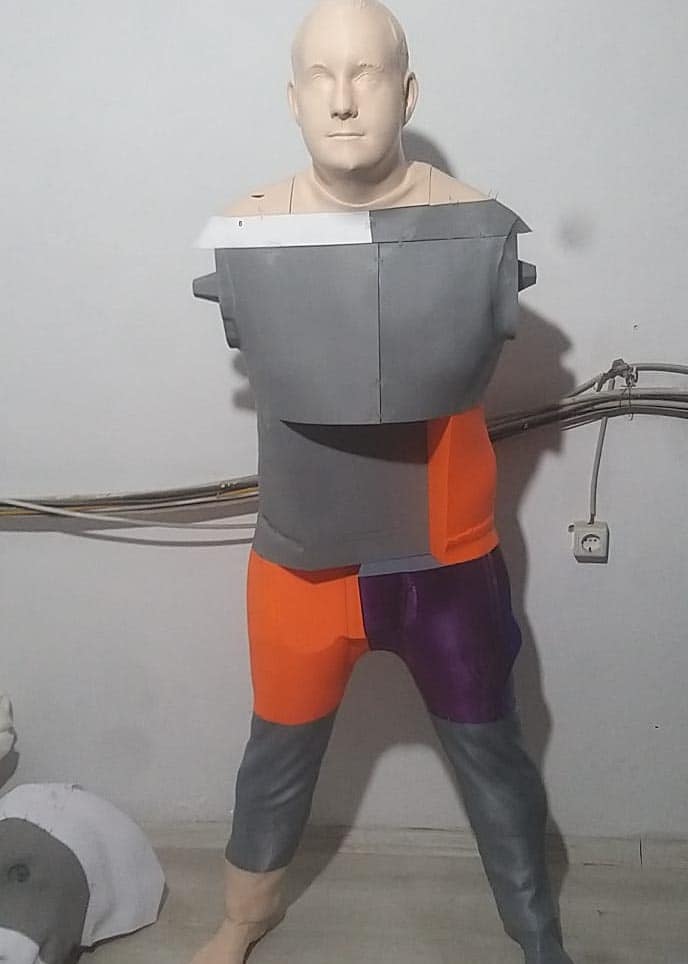
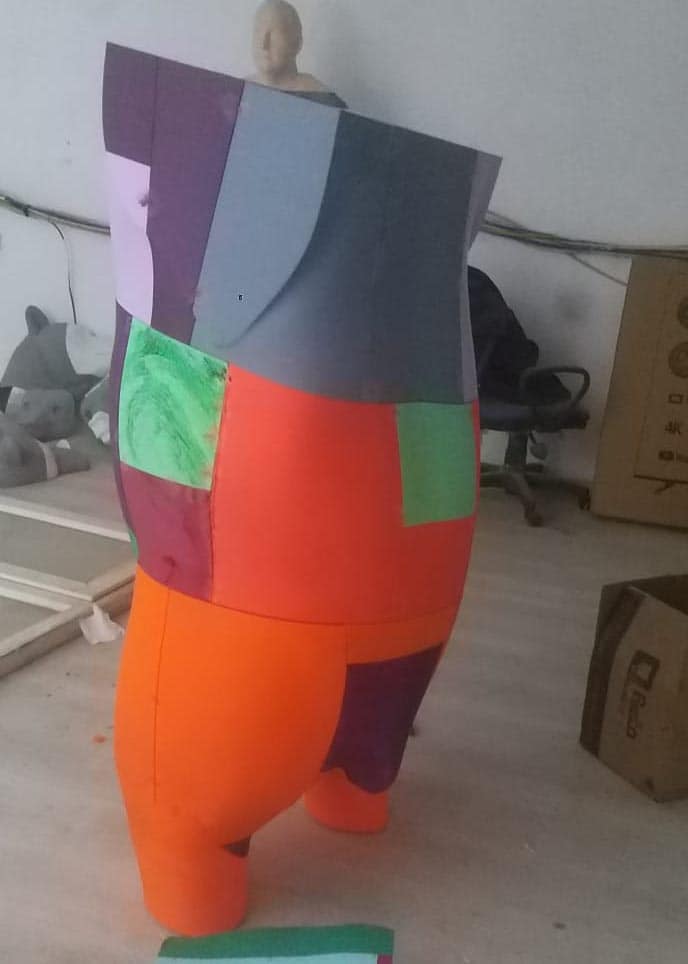
Once the ZBrush sculpts were locked, the OBJ of the actor scan was used to produce a full scale printed body. This 1:1 printed form now sits in the workshop as the master for internal padding and structural elements. The printed body gives Dursun a rigid template to build around, which speeds accuracy and reduces the need for repeated on-body fittings.
The build with SFX artist Dursun
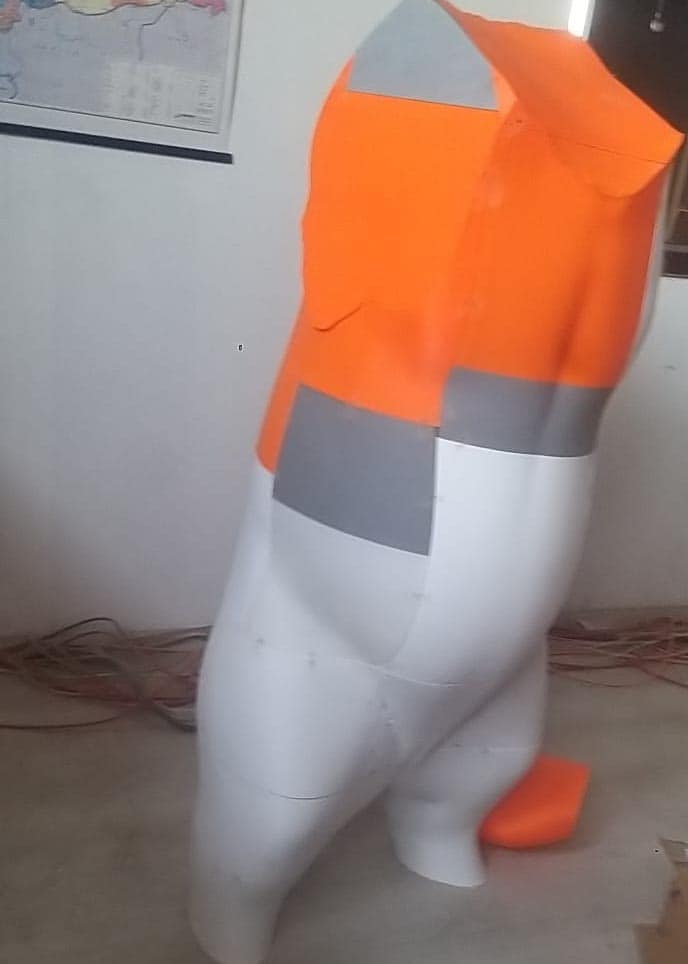
Dursun is leading the physical build. Each suit is being crafted to support close hero performance and light stunt work. That means the internal skeleton, padding and harness systems need to be strong, reliable and intuitive for the actor to use while preserving a natural range of motion.
Key technical challenges include weight distribution and balance. The head sits above the actor and must feel like part of the animal rather than a rigid mask. To achieve that, Dursun is fine tuning the internal supports so the head floats with minimal lag while remaining stable through sudden movements. Material choice and lay direction are being tested to ensure the outer fur moves in a way that suggests underlying muscle, rather than flapping or collapsing when the actor moves.
Another major focus is degrees of freedom. The suits require many articulation points so the bear can perform subtle facial beats, shoulder shifts, and full body turns. The digital sculpting stage allowed us to identify where those freedom points needed reinforcement before any material was cut.
Internal systems and practical notes
Because these suits will be used in a range of settings, we are engineering internal systems for vision, cooling, and quick adjustments. Vision windows are positioned to maximise sightlines while remaining discreet on camera. Cooling fans and breathable internal lining maintain actor comfort during long takes. Quick release fittings allow costume techs to perform fast changes between setups.
We are also planning for hybrid workflows. Where the shot requires digital touch ups or CGI work later, the ZBrush models and the known marker points will be used to assist VFX teams. That means the suits are built both to read well in camera and to cooperate with postproduction pipelines when necessary.
What these suits will be used for
All three costumes will support a broad range of work. Expect close hero scenes that require facial nuance and precise camera blocking, as well as light stunts and physical comedy moments that need robust internal structure and intuitive range of motion. The design supports long days on set, multiple resets, and fast turnarounds.
What comes next
Over the next weeks we will be sharing movement tests and early camera tests. This build blends digital precision with hands on finishing. The digital scan and ZBrush sculpt gave us a precise blueprint. Dursun’s workshop is turning that blueprint into living costumes.